Unsolved Paleo Mysteries Month #14 – Thousands of Tiny Butts

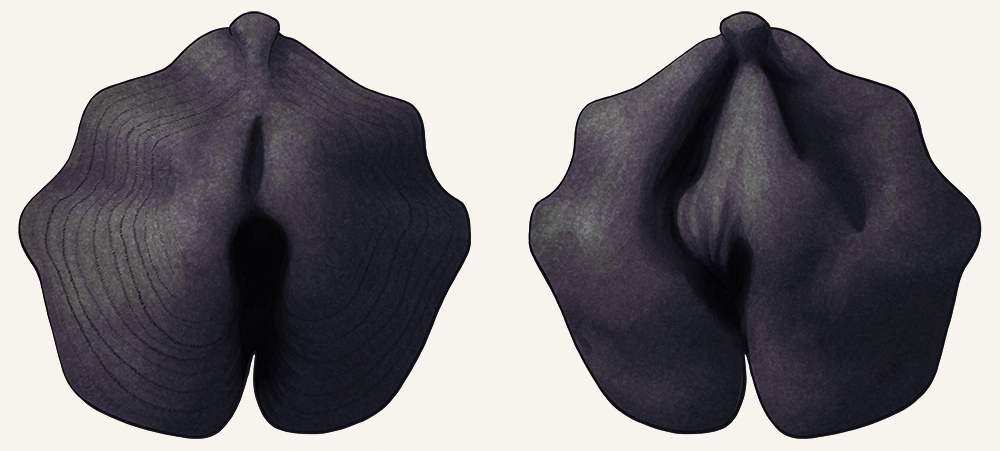
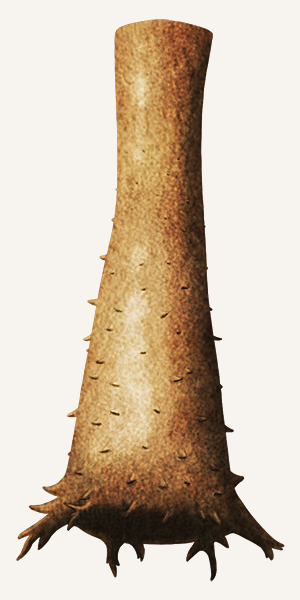
Gluteus minimus are small fossils, sometimes referred to as “horse collars”, up to 11mm across (0.4″). Always slightly asymmetrical in the same direction, with growth lines on one surface and a solid internal structure, they’ve been found in large numbers from the Late Devonian of Iowa, USA (~385 mya).

Although they were first discovered in 1902, they weren’t formally described until 1975 – and ended up being named after a butt muscle.

What sort of creature they represent, however, is completely unknown. They’ve been suggested to be fish scales, fish teeth, parts of various molluscs, or brachiopods. And, more recently, to perhaps be otoliths.

They still can’t be confidently placed in any one phylum.

(Due to scarce reference images of G. minimus, this post’s illustration is directly based on the figure of the holotype specimen in the original description paper.)
Unsolved Paleo Mysteries Month #05 – Confusing Chitinozoans

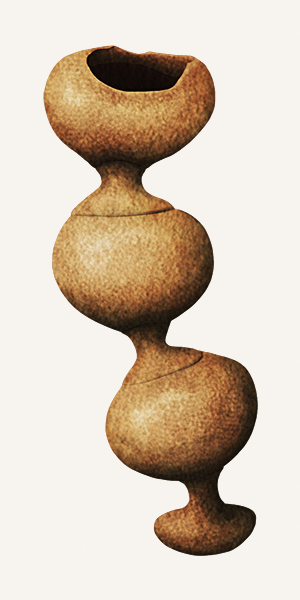
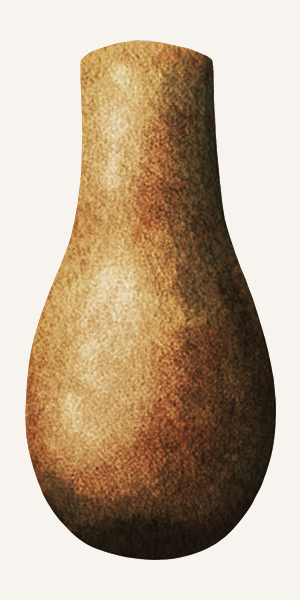
Chitinozoans are tiny microfossils (50-2000µm in size) commonly found in marine deposits all around the world between the end of the Cambrian and the start of the Carboniferous (~489-358 mya). Often described as “flask-shaped”, they have a variety of external ornamentation, are sometimes found in linked chains, and are important as Paleozoic index fossils.

But we don’t know what sort of organism actually made them.

They’ve been proposed to originate from a wide range of creatures, but currently the main hypothesis seems to be that they were the egg cases of certain marine animals – such as annelid worms, polychaete worms, molluscs, or even conodonts. Or possibly they might be immature graptolites. Or relatives of living ciliates. So far, though, no single identification seems to have gained any widespread acceptance.

[Edit: As of 2020, some exceptionally well-preserved chitinozoan specimens suggest these organisms were actually protists.]

Unsolved Paleo Mysteries Month #02 – The Paleodictyon Problem

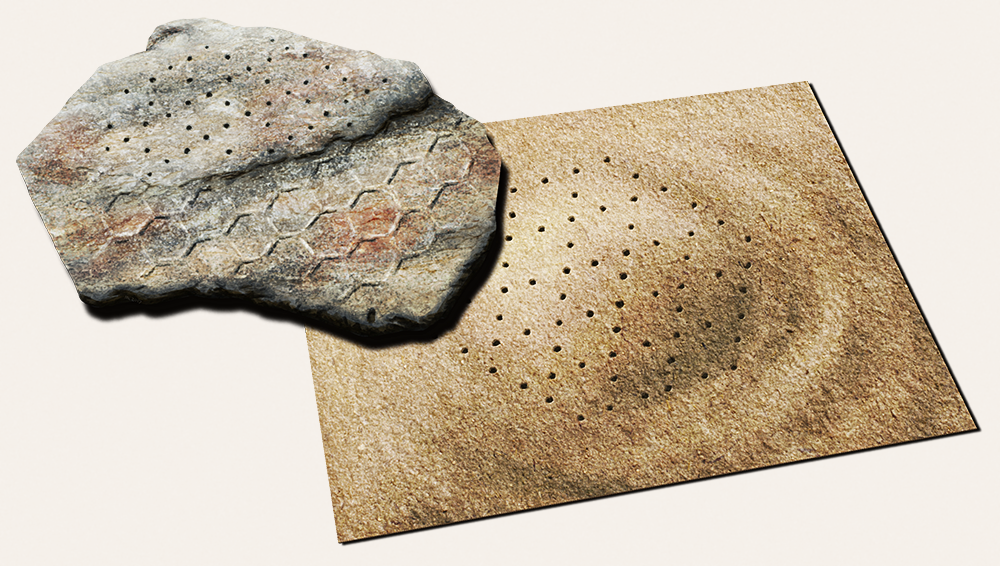
Paleodictyon is the name for a net-like pattern found in the marine fossil record, starting in the Late Precambrian/Early Cambrian (~541 mya). Formed from thin tubes in seafloor sediment, each element of the mesh is around 1-3cm in diameter (0.4-1.1″), with entire networks covering areas of up to a square meter (10.7ft²). Some forms also have vertical tubes connecting the mesh to the surface.

And nobody knows what it is.

These patterns have even been found on the modern day seafloor at mid-ocean ridges. Samples have been taken, DNA tests have been performed… and nothing conclusive has yet been found.

Whatever makes these patterns is alive today, but we still don’t know what it is!

There are two main hypotheses about the mysterious identity of the mesh-maker. It might be some sort of small worm-like animal excavating burrows, engineering water flow through the tubes to collect food. Or the whole mesh might be the body imprint of a single creature – either a sponge or a giant foraminiferan.

Hopefully one day somebody will finally catch the Paleodictyon culprit in the act.