Boverisuchus

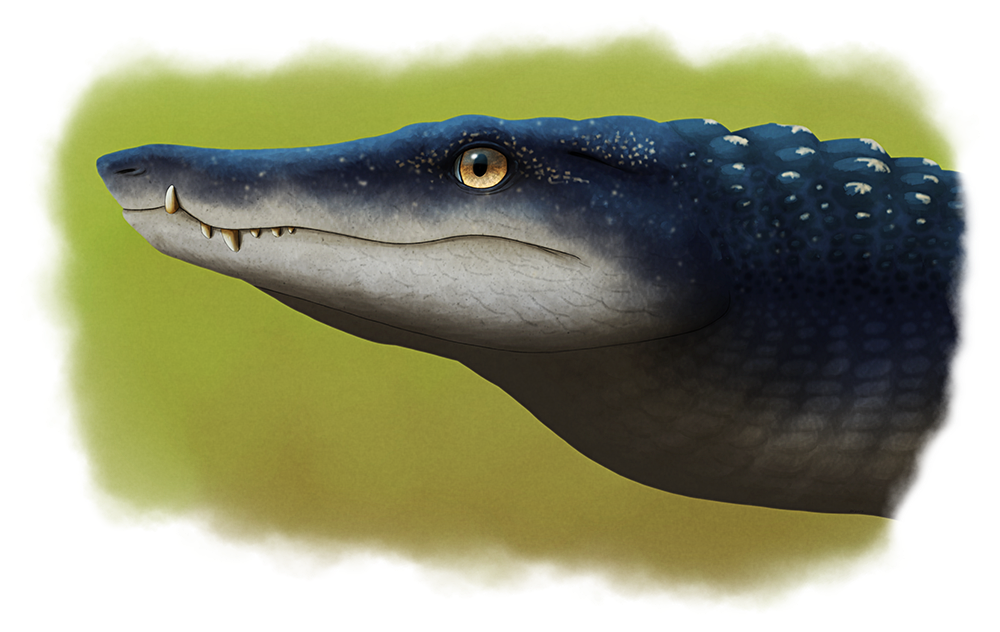
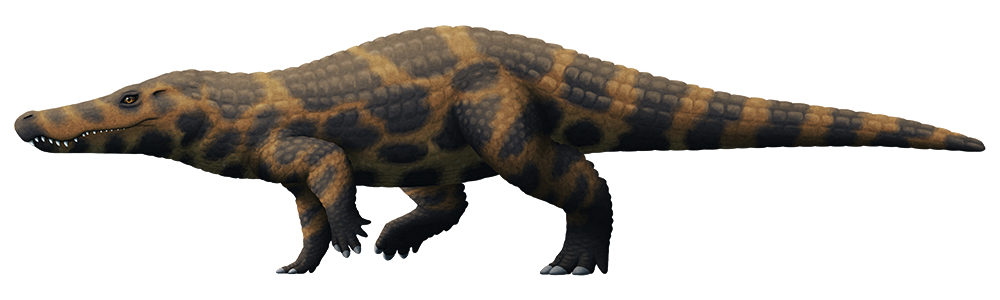
Boverisuchus magnifrons*, a crocodilian from the early Eocene of Germany (~50-40 mya). Reaching about 3m long (9′10″) it was much more heavily armored than its modern cousins, with an interlocking “exoskeleton” of bony osteoderms covering its body and limbs – leading to it being given the nickname “panzer croc”.

It was adapted for walking and running on land, with relatively long legs and surprisingly hoof-like claws. It may even have carried its weight directly on these hooves similar to mammalian ungulates.

And if that’s not unusual enough, its hind leg musculature suggests it also might have been capable of short bursts of bipedal sprinting.

[ * Originally known as Pristichampsus rollinatii before being reassigned in 2013.]
Pakasuchus

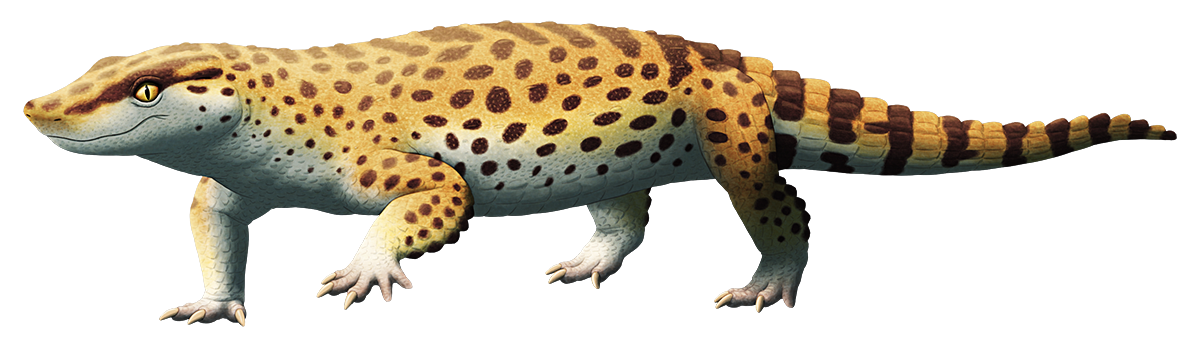
Pakasuchus kapilimai, a notosuchian crocodyliform from the mid-Cretaceous of Tanzania (~105 mya). This 50cm long animal (1′8″) had an elongated body and relatively long limbs, and would have been an active terrestrial predator chasing after fast-moving small prey like insects.

The bony osteoderms on its body were much smaller and sparser than those found on most of its relatives – except for its tail, which was still heavily armored.

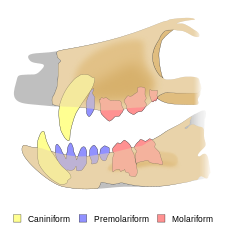
It also had some of the most complex teeth of all known crocodilians, with surprisingly mammal-like ‘canines’ and ‘molars’ that gave it the ability to chew its food.

Skull of Pakasuchus
[image source]

Montealtosuchus

Montealtosuchus arrudacamposi, a crocodyliform from the Late Cretaceous of Brazil (~93-83 mya). About 1.8m in length (6′), it had slightly forward-facing eyes, giving it binocular vision, and long upright limbs – adaptations for active hunting on land.

Basically, it would have looked a little like a “crocodile dog”.