Garamaudo

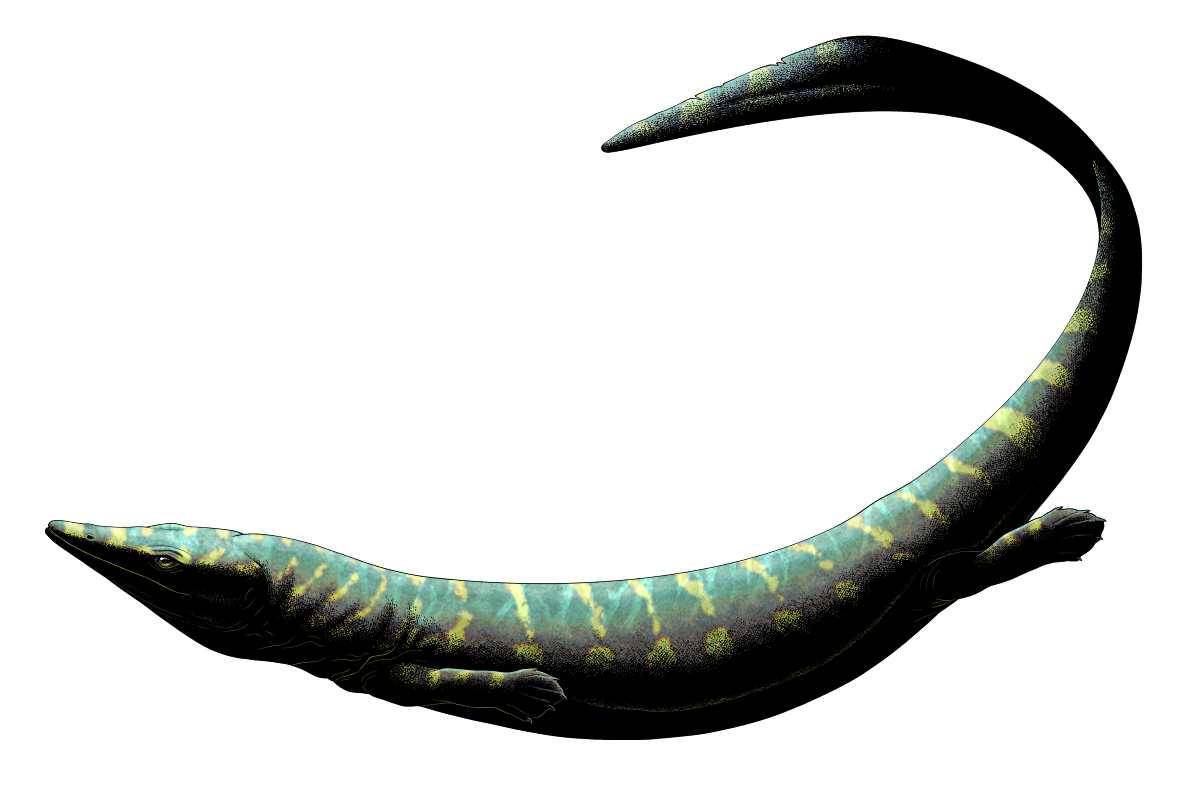
Garamaudo bauciensis was a mosasaur that lived during the Late Cretaceous, about 84 million years ago, inhabiting freshwater lakes and marshes in what is now southeastern France.

Its genus name comes from the Provençal expression “gara au maudo”,  meaning “beware the cursed one”, referring to an aquatic serpentine monster of local legend.

Around 2.5m long (~8’2″), Garamaudo was a fairly “primitive” mosasaur, with limb anatomy closer to the legs of terrestrial lizards than the paddle-like flippers of later forms. It had increased bone density that would have helped control its buoyancy and aided it in diving — but this also would have made it unable to move around on land due to the increased fragility of its heavier bones.

It probably swam with an eel-like motion and may not have been particularly speedy or maneuverable, possibly relying on ambush predation to capture its prey.

It would have been one of the largest aquatic predators in its ecosystem, living alongside gars, turtles, small crocodilians, and some of the last known freshwater coelacanths.

Continue reading “Garamaudo”
Gargoyleosaurus

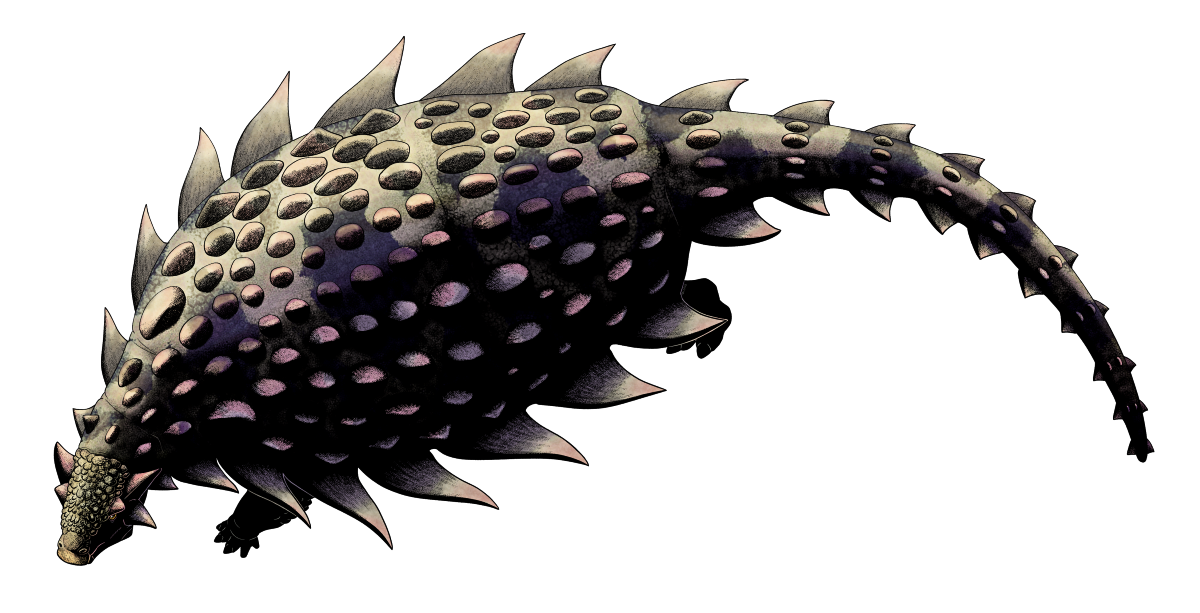
Gargoyleosaurus parkpinorum was a very early ankylosaur that lived in what is now Wyoming, USA, during the Late Jurassic, about 154-150 million years ago.

Known from a partial skeleton — including much of its armor preserved in place — it was a fairly small ankylosaur, around 3.5m long (~11’6″). Its head was proportionally small, its snout was rather narrow, and unlike later members of the group it still had teeth in the front of its jaws.

It would have inhabited the warm and semi-arid “Jurassic savanna” environment of western North America, feeding on vegetation along river flood plains and sharing its ecosystem with more famous dinosaurs such as Stegosaurus, Diplodocus, and Allosaurus.

Continue reading “Gargoyleosaurus”

Alienacanthus

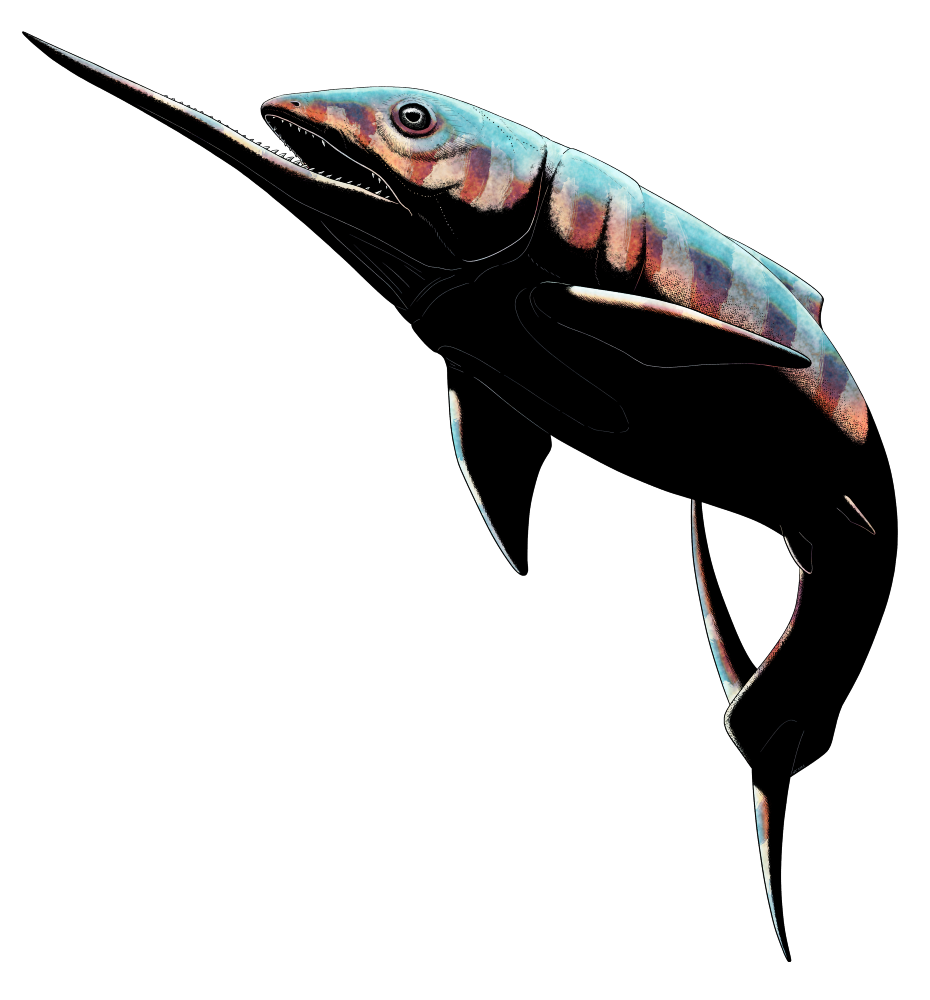
Alienacanthus malkowskii was a placoderm armored fish that lived in the seas covering what is now Europe and northern Africa during the late Devonian, about 365 million years ago.

First discovered in the 1950s, this species was originally known only from some strange elongated bony elements that were interpreted as fin spines. But more recent finds of near-complete skull material revealed a surprise — the “spines” were actually this animal’s extremely elongated lower jaw!

Around 2.5m long (~8’2″), it was probably a streamlined open ocean swimmer that may have used its bizarre underbite similarly to the snouts of modern billfish, slashing at and stunning soft-bodied prey.

Continue reading “Alienacanthus”

Ogresuchus

Ogresuchus furatus was a small crocodyliform that lived during the Late Cretaceous, about 66 million years ago, in what is now Catalonia, Spain.

It was originally classified as a sebecid, which would have made it the earliest known member of that family, but a more recent analysis suggests it was probably instead an atoposaurid.

Around 1m long (~3’3″), it was a lightly-built generalist predator that would have fed on invertebrates and small vertebrates — possibly even including sauropod hatchlings, since its fossil remains were discovered in a titanosaur nesting site.

Continue reading “Ogresuchus”