Bataspis

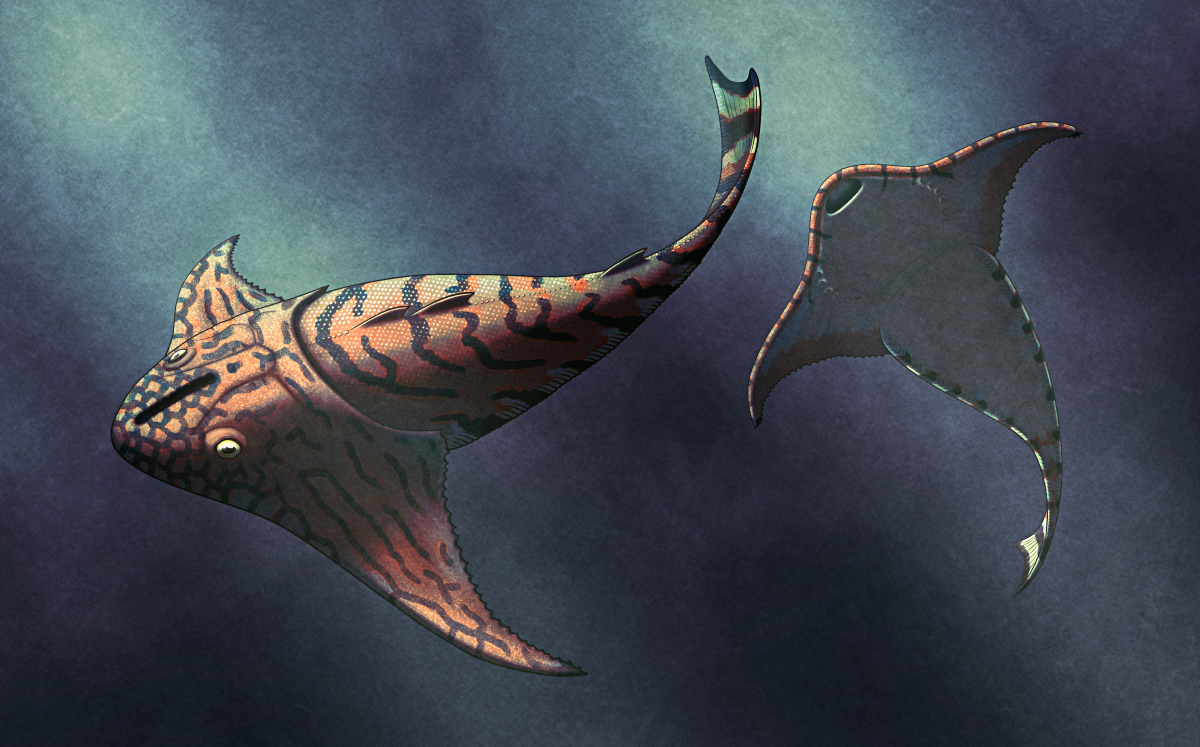
Bataspis crux was an armored jawless fish that lived during the early Devonian, around 419 million years ago, in coastal marine waters covering what is now southwestern China.

It was a member of the galeaspids, a group characterized by massive headshields covered in a pattern of sensory canals, with a large opening on the front top surface between the eyes. While this hole often looked like a comical mouth, it was actually a single nostril that took in water for the gills, while the real mouth was located on the animal’s underside.

Galeaspids also had scaly bodies with three dorsal fins, a tail fin, and long low ribbon-like fins along the sides that may have been the precursors to paired fins in jawed fish.

Bataspis’ headshield was unusually shaped compared to its relatives, with sweeping side projections forming a distinct “batwing”. Hydrodynamic simulations indicate that it functioned as a hydrofoil, generating lift while swimming and making Bataspis an efficient underwater glider — and suggesting that galeaspids were much more ecologically diverse than previously thought.

Continue reading “Bataspis”

Ictitherium

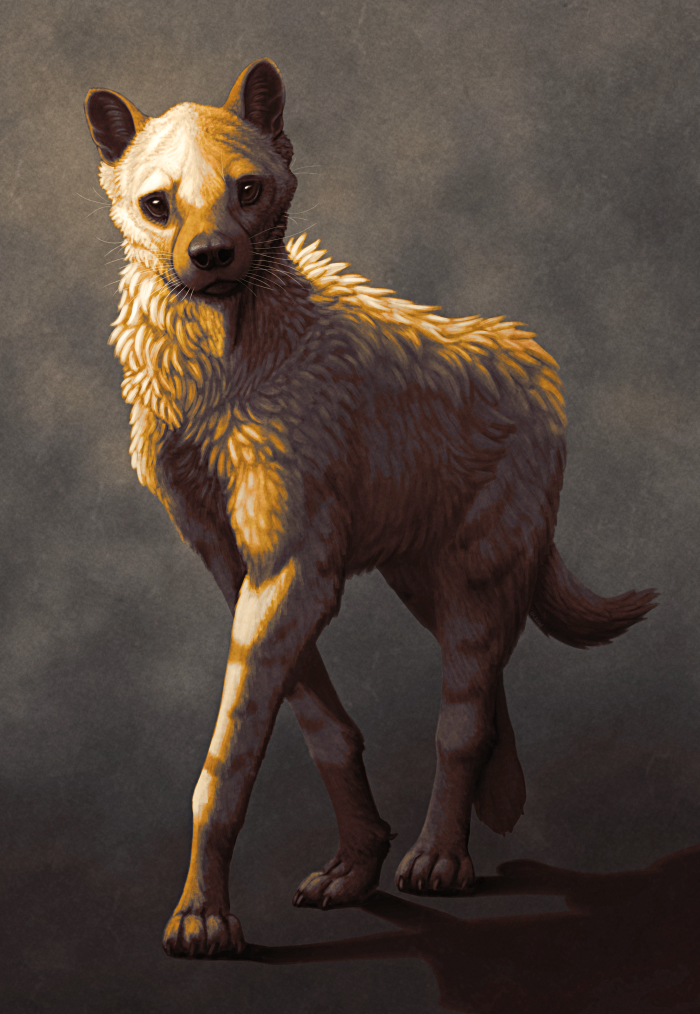
Ictitherium ebu* was a hyena that lived in what is now Kenya during the late Miocene and early Pliocene, around 7-5 million years ago. It was part of an early branch of the hyaenids known as ictitheres, dog-like hyenas found across Miocene Africa and Eurasia that occupied similar ecological niches to modern canids.

(*alternatively classified as Hyaenictitherium ebu by some studies)

It was similar in size to the modern aardwolf, standing about 50cm tall at the shoulder (~1’8″) – but it had proportionally longer legs, giving it a build convergently similar to the present-day maned wolf. Despite these long limbs it wasn’t a fast runner, with its joint anatomy instead suggesting it was adapted for efficient walking, pouncing on prey, and looking over the tall grasses of its savanna woodland habitat.

Continue reading “Ictitherium”

Polysacos

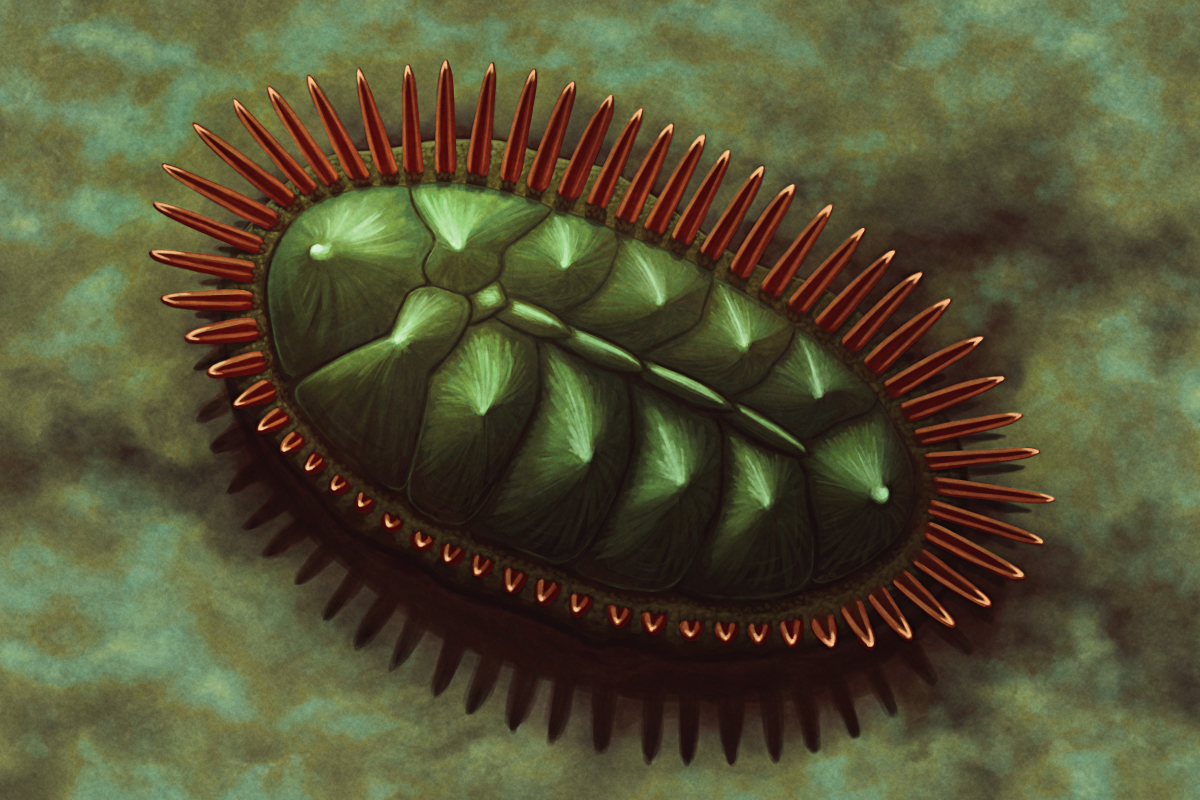
Polysacos vickersianum was a marine mollusc that lived during the early Carboniferous, around 345 million years ago, in what is now Indiana, USA.

It was part of a group known as multiplacophorans, which are usually considered to be close relatives of modern chitons — but may instead represent a much earlier branch of the aculiferan lineage that convergently evolved chiton-like anatomical features.

About 2.5cm long (~1″), Polysacos had seventeen shell plates surrounded by a fringe of long spines with concave upper surfaces. Like the modern chitons it resembled it was probably a grazer that scraped up algae from hard rocky surfaces.

Continue reading “Polysacos”

Eons Roundup 16

I keep forgetting I still have unposted PBS Eons work, so let’s have a little bit more of that this week:

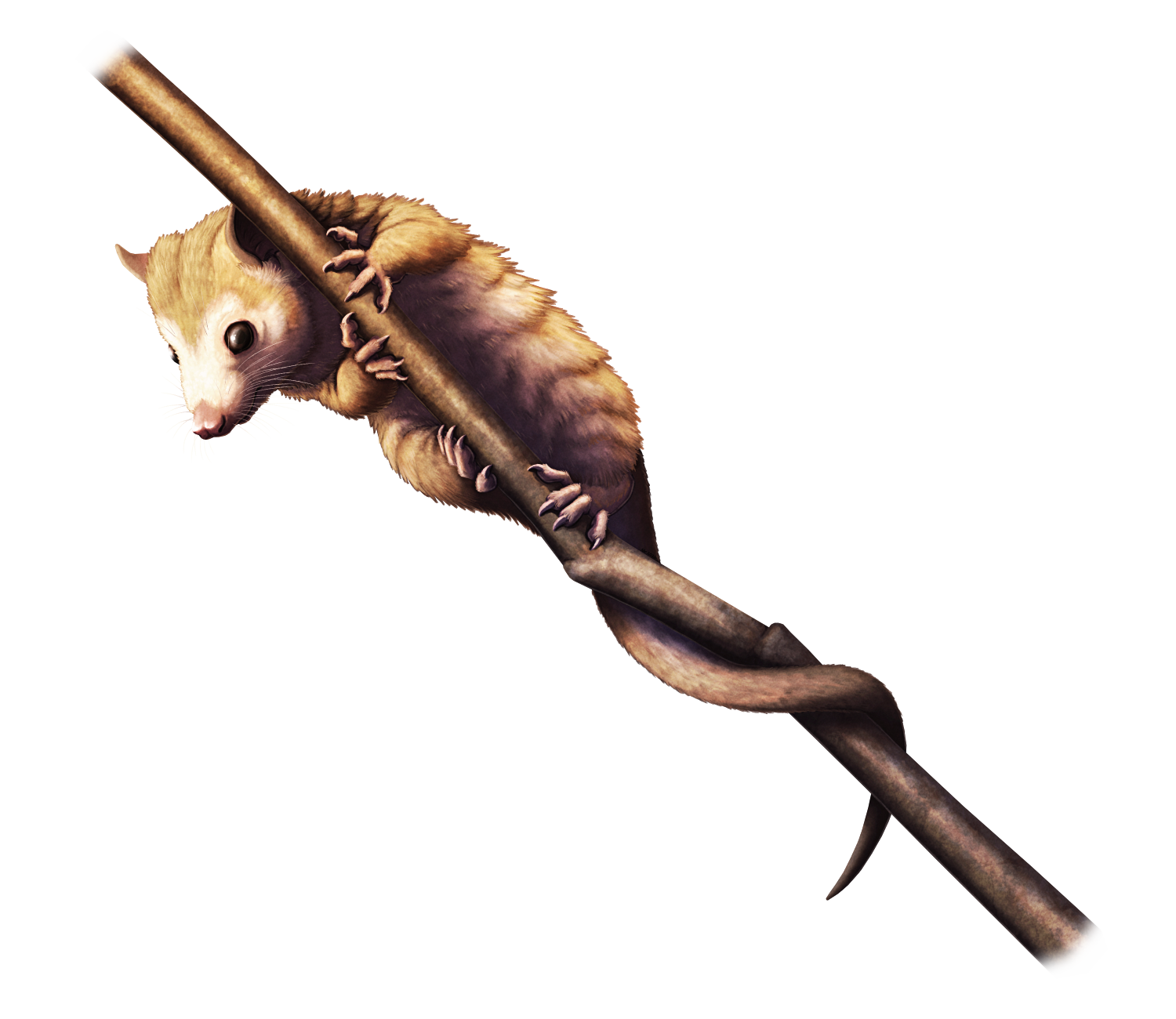
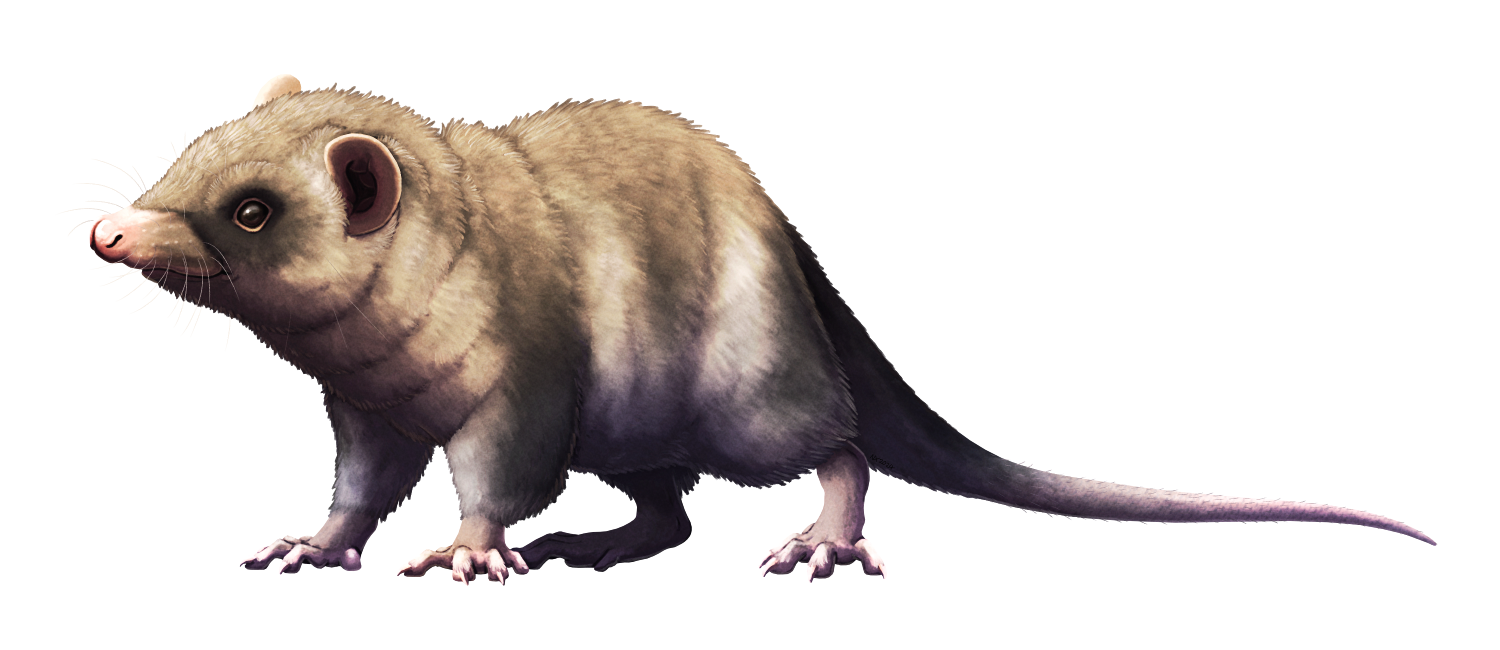
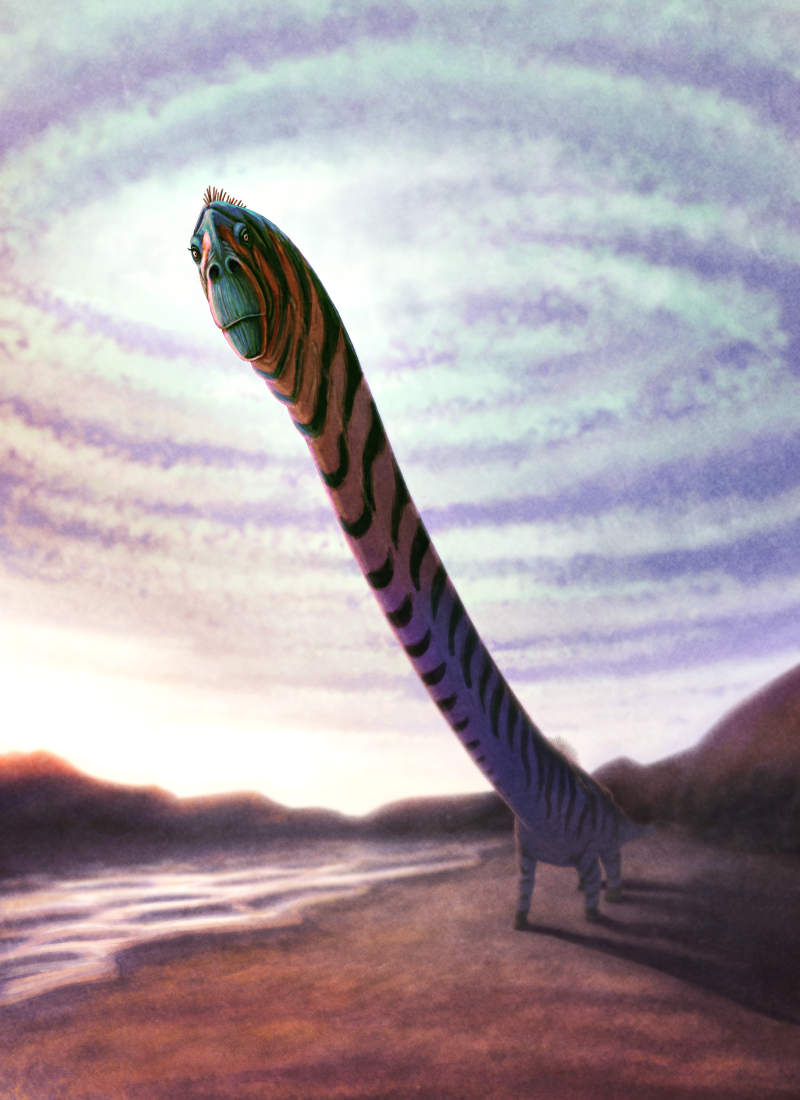
• The polydolopimorphian metatherian Wamradolops and the paucituberculatan marsupial Perulestes from “When the Amazon Flowed Backwards”